S Corp vs LLC for Rental Property and the Mistake That Traps Your Losses
Originally published on November 20, 2026
A cost segregation study can create a large first-year loss on a rental property. Hold that property in the wrong entity and you may never get to use it. That’s what is really at stake in the S corp vs LLC for rental property decisions, and many investors make it before they ever talk to a CPA.
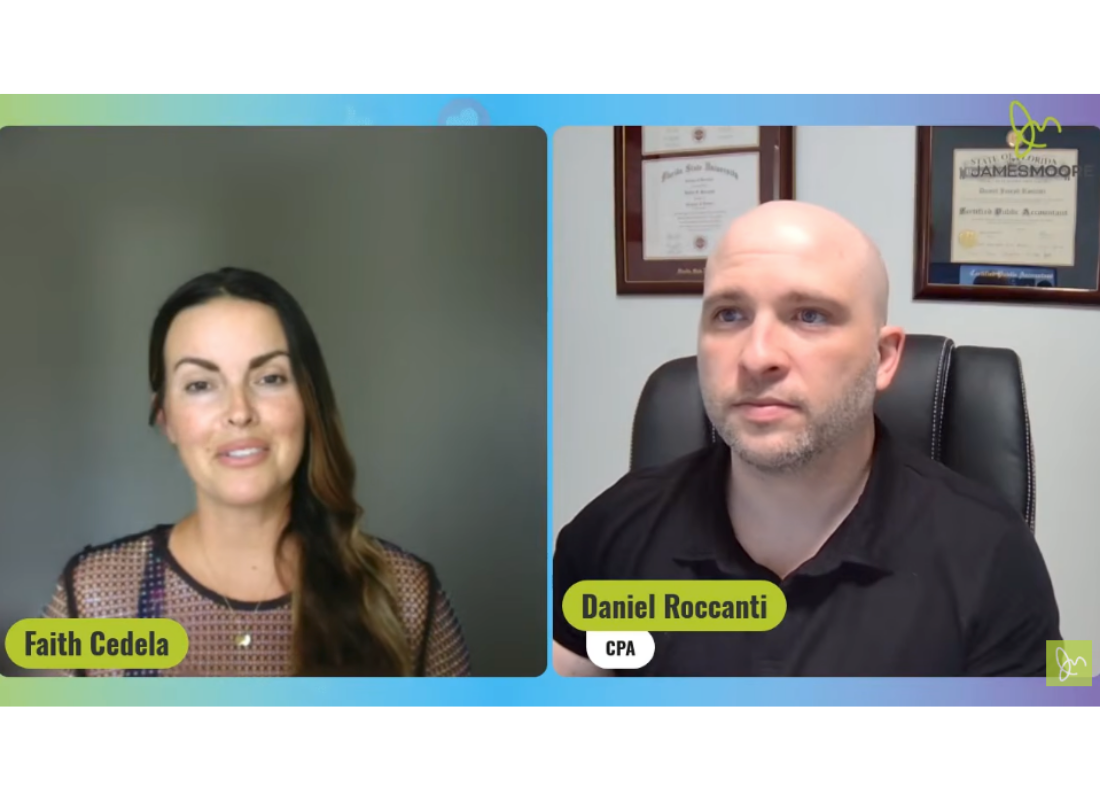
During a recent episode of Your CPA’s Take on Real Estate, Daniel Roccanti shared valuable insights on the tax mistakes investors make before they buy. The discussion highlighted the importance of matching your entity to how you plan to use the property, because “the wrong structure can completely ruin an investment.”
Legal Entities and Tax Entities Are Not the Same Thing
Investors hear LLC, S corp, C corp, partnership, single-member LLC and disregarded entity, and it all starts to blur together. Much of the confusion comes from mixing up two separate ideas.
An LLC is a legal entity. How that LLC is treated for tax purposes is a different question, and one legal entity can be treated as more than one kind of tax entity. The tax treatment is what decides whether your losses actually reach your personal return. That’s the part investors tend to skip.
Why Partnerships Usually Win for Long-Term Rentals
For a property you plan to hold and rent for years, an LLC treated as a disregarded entity or a partnership is usually the better fit.
Partnerships have a specific advantage. They allow qualified nonrecourse debt to count toward your basis. That basis is what lets you run a cost segregation or do a cash-out refinance without creating a taxable situation, while still taking the deductions on your own return.
The S Corp Problem
S corps don’t offer the same treatment. You can still do a cost segregation on a rental held inside an S corp, but the losses can end up suspended at the company level. They never flow down to you personally, so the deductions you paid to accelerate sit there unused.
As Daniel put it, “it never actually flows down to the individual and now you’re stuck.” It’s a mistake he sees regularly.
When an S Corp Does Make Sense
S corps aren’t the wrong answer for every real estate investor. They just shouldn’t hold appreciating property.
If your business is flipping or development, an S corp may be worth considering, possibly over a partnership. Flips don’t carry depreciation the way long-term rentals do, so the tax strategy is different from the start. Investors who do both often need two separate entities rather than one structure for everything.
The Right Structure Depends on Your Deal
There’s no single answer that fits every property. The type of property, how you plan to use it, whether you have investors and whether you’re financing with debt all change the picture. Owning a property 100% yourself is a completely different situation than bringing in partners.
Fixing It Later Costs More
The worst time to answer the entity question is after closing. Some structural mistakes can’t be cleaned up at all. The ones that can are often expensive to fix, especially when operating agreements have to be rewritten because they don’t reflect what the owners actually intended.
Settle the Entity Question Before You Make an Offer
Bring your CPA in before you put in an offer, not when your tax return is due. That’s when you still have options. Pair that with an attorney on the legal side so your operating agreement matches the tax plan.
If you’re holding long-term rentals in an S corp today, when did you last confirm those losses are actually reaching your return?
Watch the full episode for more on the questions to ask before signing a purchase agreement, and subscribe to Your CPA’s Take on Real Estate for more episodes.
All content provided in this article is for informational purposes only. Matters discussed in this article are subject to change. For up-to-date information on this subject please contact a James Moore professional. James Moore will not be held responsible for any claim, loss, damage or inconvenience caused as a result of any information within these pages or any information accessed through this site.