Real Estate Deals Aren’t Performing Like They Used To
Originally published on June 1, 2026
“Everything just feels a little less forgiving right now.” — Kyle Paxton, CPA, James Moore & Co
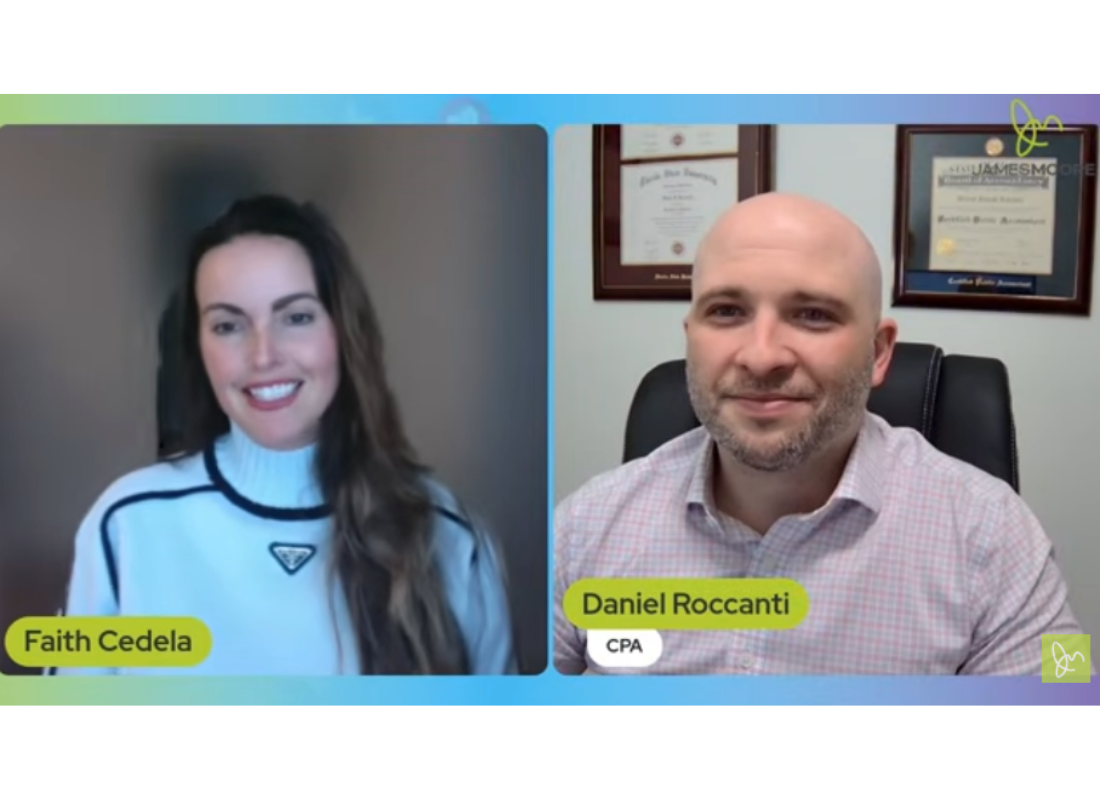
In this Your CPA’s Take on Real Estate episode, Kyle Paxton joins host Faith to break down why so many real estate deals are no longer cash flowing the way they used to and what investors need to do differently in 2026.
From rising expenses and suppressed rent growth to the hidden risks of leverage and the underwriting mistakes he’s seeing most often, Kyle covers the full picture of what’s changed and where opportunity still exists.
About This Episode
The conversation covers why the income side of deals isn’t keeping pace with expenses and debt service, how higher interest rates have fundamentally changed deal math, and what separates investors who are merely surviving from those who are actively scaling. Kyle also shares his framework for thinking about leverage as a risk-management decision rather than a return enhancer, and what a good deal actually looks like in today’s market.
Resources
- Real Estate Services | James Moore & Co
- Your CPA’s Take on Real Estate | Full Playlist
- Watch This Episode on YouTube
Full Transcript
[00:02] Faith: Hi everyone and welcome to the James Moore channel. Today I am here with Kyle Paxton. Hi Kyle, how are you?
[00:07] Kyle Paxton: Hello. Always a pleasure. Glad to be here.
[00:09] Faith: Let’s talk real estate, shall we?
[00:11] Kyle Paxton: Let’s do it. So today’s topic is why today’s real estate deals aren’t performing like they used to and how investors need to adjust their strategy.
[00:22] Faith: I have a lot of good questions for you and I can’t wait to hear what you have to say.
[00:26] Kyle Paxton: Hopefully I have some answers. Here we go.
[00:28] Faith: You will. Okay. So the first question is, why are so many real estate deals no longer cash flowing like they did years ago?
[00:36] Kyle Paxton: Yeah. So in talking to clients and working through transactions with a wide variety of shapes and sizes, what we’re seeing is that the income side of deals isn’t growing as fast as the expense and debt service side. And that’s been a trend for the last couple of years and is still very prevalent in 2026. Existing deals were bought using low rates, assumptions of strong rent growth, cheap and easy refinancing, manageable expenses. And we’re basically seeing all of that tighten with less rent growth. A lot of what we do is in the Sunbelt, Florida, the Southeast. We have a high volume of clients who have investments in those areas and the themes are relatively consistent across all of those markets. A lot of supply, a lot of options. That has suppressed rent growth a little bit and expenses have just continued to expand.
[01:48] Faith: Wow. So what’s the biggest shift in the market that investors are underestimating?
[01:53] Kyle Paxton: My perception on this is that everything just feels a little less forgiving right now. From 2020 through 2022, a lot of people entered the real estate market and typically deals were able to float themselves top to bottom regardless of asset class. And now pretty much everything we’re seeing, the whole environment is just a little less forgiving. Real estate’s a little slower, the market’s not bad, it’s just less forgiving. You really have to have tight controls around the underwriting process and understand when you’re entering a deal with refinance goals or exit goals, really making sure you’re being thorough on what that plan looks like and whether it’s realistic and built for this tight, less forgiving environment. That’s the consistent theme I’m seeing across the board.
[02:51] Faith: Where are investors overpaying or not understanding the returns right now?
[03:00] Kyle Paxton: This varies by asset class. In high-supply Sunbelt markets, multifamily is a big one. James Moore has a strong footprint in a lot of college towns and a couple of years ago those deals were everywhere. Older office space, value-add deals with thin margins, and then here in Florida these deals often carry high insurance and property taxes. In the old market, you could potentially overpay and still win because you had quick rent growth and compressed cap rates. The recovery is harder in this less forgiving market. I think it really just comes back to making sure we have the right inputs going into a deal and a good grasp on the current market.
[04:26] Faith: How have interest rates fundamentally changed deal math?
[04:32] Kyle Paxton: That’s a big topic of conversation, one we deal with all the time. Higher rates just reduce cash flow. More of your property’s income is going to the lender. It potentially reduces the loan proceeds available to you. Buyers are having to find more equity or pay a lower price to hit the same returns. In the old market a deal could support higher leverage and still produce positive cash flow. The same NOI in the current market supports much less debt.
[05:50] Faith: What is the biggest mistake you’re seeing in underwriting deals today?
[05:55] Kyle Paxton: The easy answer is stale expense assumptions and still falling into the rent growth trap. But the big one, and a lot of our recent video content has touched on this, is relying too heavily on an optimistic refinance or sale assumption when you enter a deal. A lot of deals I work with right now are going through the refinancing process and the lending process is so much less forgiving. The process takes longer, you get scrutinized more and squeezed as you go through it. In the old market those aggressive assumptions were often rewarded because the market kept moving upward. That optimistic outlook is causing some misses right now. Even small misses in inputs around insurance, taxes, vacancy and cap rates can have a significant impact on your cash-on-cash return.
[07:40] Faith: How should investors be thinking about leverage in this environment?
[07:45] Kyle Paxton: With leverage, I’m thinking about it very much as a risk-management decision and not just a return enhancer. The classic real estate playbook is you generate some equity, you’re heavily leveraged and you get a great return, rinse and repeat. In today’s market it’s so much more than that because of the risk. When you have too much debt, you’re taking a good property, a good asset, and turning it into a bad investment. We always think about leverage as amplifying our returns. Debt was cheap, asset values were rising. But now we’re seeing leverage is amplifying the foundational problems instead. Investors should be thinking about leverage much more cautiously and as part of the risk stack rather than the optimistic return answer.
[09:02] Faith: Are there still good deals right now, or does the strategy need to change?
[09:08] Kyle Paxton: We see them. The market’s not bad, it’s just different. A good deal right now is one grounded in basis discipline with strong current cash flow, more conservative debt and realistic exit assumptions driving it. That varies by asset class and location. But there are pockets of motivated sellers, broken capital stacks, assumable debts and properties operating inefficiently where if a buyer has a specific advantage, niche or additional capital there is opportunity to salvage some of these bad deals. The good deals are often salvaging bad deals. There is opportunity out there. It just looks quite different.
[10:38] Faith: What separates investors who are surviving versus those who are scaling in this market?
[10:45] Kyle Paxton: I have a lot of insight into three buckets: not surviving, surviving and scaling. Surviving looks like doing the right things and treading water steadily. These investors are protecting their liquidity, they have cash flow and they manage their expenses aggressively. The number one source of broken trust is lack of communication between the real estate operator, lender, other investors and all the stakeholders in a project. Broken trust can blow up a deal by itself. The ones who are surviving are doing all of those things because if communication breaks down, you’re no longer surviving. The scalers are doing all of that plus building trust with investors so they get repeat investors and word of mouth. On top of that they’re looking at where the distressed, misplaced opportunities are where they have an operating or capital advantage relative to the seller. One more thing I have to emphasize because I bring it up in pretty much every video: the availability of data and the ability to distill it into an understandable format. In 2026 we can get all of our data at our fingertips instantly. Getting data organized in a way where you can make meaningful real-time decisions rather than looking two years in the past with static reporting is huge. The scalers have that down. They can see how an individual property is performing, how their whole fund is performing and are able to communicate that data to everyone involved.
[14:00] Faith: Absolutely, solid advice. Thank you so much Kyle for sharing. You’re going to come back live June 4th and we’re going to build on today’s topic. It’s going to be the great real estate repricing, why old deal models are breaking and what actually works in today’s market.
[14:22] Kyle Paxton: Dramatic title. I’m excited about it. It’ll be fun. See you in about a month.
[14:28] Faith: I’m looking forward to it. Good talking to you Kyle. See you next time.
[14:32] Kyle Paxton: Thanks.
Watch the Full Episode
If you found this conversation valuable, watch the full episode on YouTube for Kyle’s complete breakdown of what’s changed in today’s real estate market and how to adjust your strategy going forward.
All content provided in this article is for informational purposes only. Matters discussed in this article are subject to change. For up-to-date information on this subject please contact a James Moore professional. James Moore will not be held responsible for any claim, loss, damage or inconvenience caused as a result of any information within these pages or any information accessed through this site.