1031 Exchange Alternatives Every Real Estate Owner Should Know
Originally published on October 2, 2026
If you own investment real estate, you’ve probably heard of a 1031 exchange. Sell a property, buy another one, and defer the gain. It’s a powerful tool, and most real estate owners already understand the basics. But it’s not the only option, and it’s not always the right one. There are several 1031 exchange alternatives worth understanding before you assume the standard exchange is your only path forward.
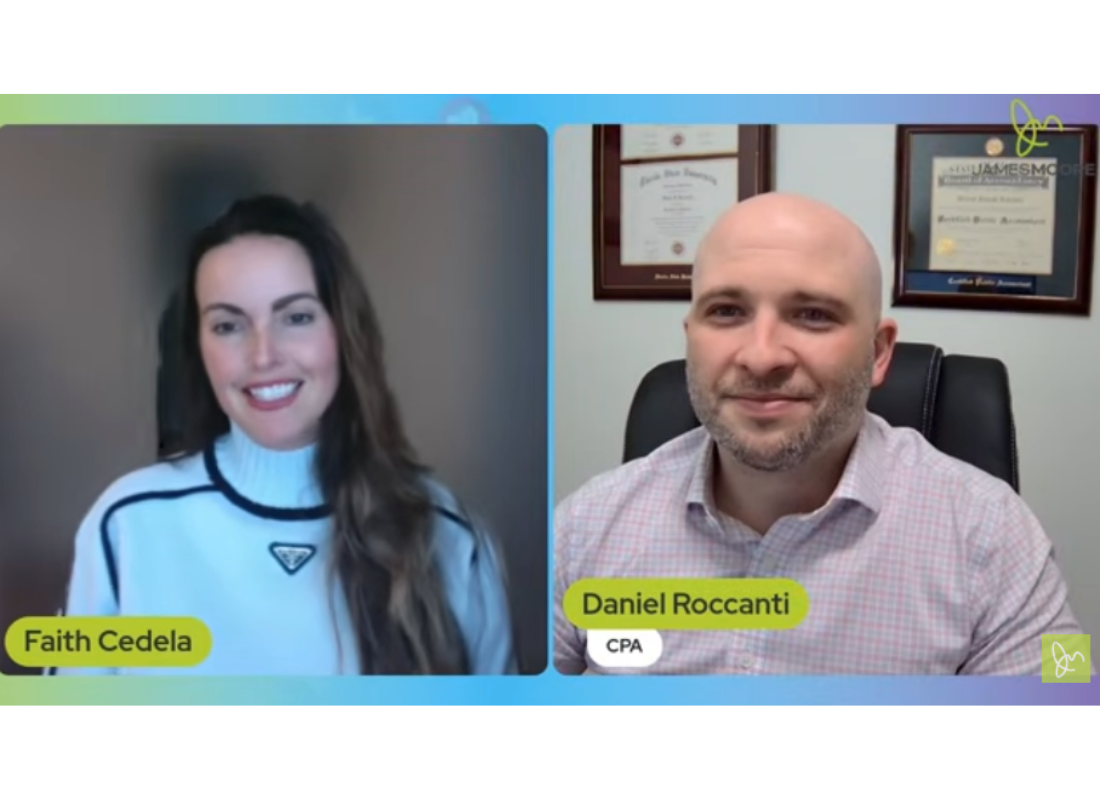
During a recent episode of Your CPA’s Take on Real Estate, Daniel Roccanti joined the show to unpack some of these lesser known strategies, from passive ownership options to a new wave of opportunity zone incentives. The conversation made the case that owners who only know the standard exchange may be missing real opportunities.
Not Every Owner Wants to Keep Managing Property
One option is the Delaware statutory trust, or DST. It’s technically still a 1031 exchange, but instead of buying and managing a new property yourself, you own a portion of one that someone else manages. It’s a solid fit for owners looking to shift from active to passive real estate investing, especially those getting older, no longer interested in the day to day responsibility, or starting to think about handing property down to a next generation with no interest in running it themselves.
Installment Sales Spread the Gain Instead of Deferring It
Not every owner has a replacement property lined up, and that’s where an installment sale comes in. Rather than deferring the gain entirely, this approach spreads the tax hit out over time: “it’s not going to defer it forever, but that way I don’t have to pay the whole thing. I can just sell it on installment sale, and I get paid out over time.” It’s closer to owner financing than a traditional exchange, and it can work well for owners who want to sell now without lining up a new purchase first.
Opportunity Zones Are Getting a Second Act
A new version of opportunity zones, “opportunity zones 2.0,” is set to begin in 2027 as the current program phases out. It carries many of the same benefits as the original program along with some new additions, so owners who wrote off opportunity zones years ago may want to take a second look once the new rules take effect.
The Strategy Most Owners Overlook
The option that gets skipped over most often is a Section 721, or “UpREIT,” contribution. Instead of selling a property outright, an owner can contribute it into another partnership tax free, trading direct ownership for a stake in something larger, the kind of move where an owner can “find a syndication or a real estate fund out there and contribute your property in exchange for ownership in that.” It’s a path out of hands on management and into a professionally run fund, without triggering the gain.
What This Means for Real Estate Owners
The common thread across all of these strategies is timing. Most high value decisions have to be made well before year-end, and owners who wait until tax season to think about strategy have usually already missed the window. A 1031 exchange still has its place, but DSTs, installment sales, opportunity zones, and Section 721 contributions all offer paths worth weighing depending on what stage of ownership you’re in and what you actually want out of the property going forward.
Every real estate portfolio is different, and the right strategy depends on your specific goals, timeline, and tax situation. If you’re considering a sale or a change in how you hold real estate, talk with a James Moore professional before deciding which route fits your situation. To hear the full conversation, including how SALT limitations are affecting investors and what to review before year-end, watch the complete episode above.
All content provided in this article is for informational purposes only. Matters discussed in this article are subject to change. For up-to-date information on this subject please contact a James Moore professional. James Moore will not be held responsible for any claim, loss, damage or inconvenience caused as a result of any information within these pages or any information accessed through this site.