Why Asset-Level Strategy Is the Key to Real Estate Success in 2026
Originally published on April 17, 2026
The real estate market in 2026 isn’t rewarding passive investors. It’s rewarding the ones willing to roll up their sleeves and focus on what they can actually control. For property owners and investors looking to outperform this year, an asset-level strategy is no longer optional. It’s the difference between a profitable year and a stagnant one.
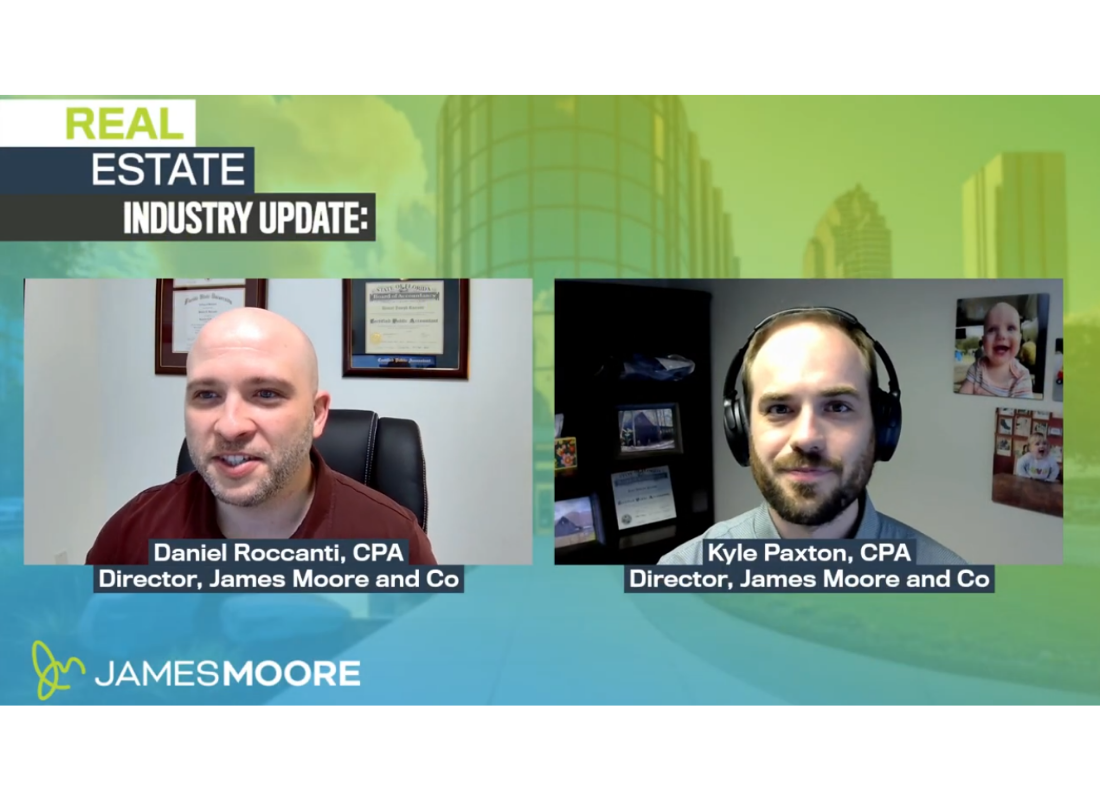
During a recent Real Estate Industry Update, Daniel Roccanti and Kyle Paxton explored why 2026 feels different from the difficult transition year that was 2025. The discussion highlighted the importance of targeted, property-specific decision-making in a market where broad momentum alone won’t carry investors to strong returns.
2025 Was the Reset. 2026 Is the Proving Ground.
By most accounts, 2025 was a down year across the real estate industry. As Roccanti put it, “It was a transition year. It just seems like for most people in real estate, it was kind of a down year for everyone.” But the year ended on a slightly better note than expected, and that late improvement has created a modest ramp into 2026.
Paxton echoed the cautious optimism: “2025 ended better than expected, and there’s some more optimism. I do feel there’s some stabilization in the market.”
That stabilization doesn’t mean a boom is coming. Real estate moves slowly by nature. What it does mean is that the window is opening for well-prepared investors to make smart moves.
Good Assets Are Moving. Bad Ones Aren’t.
One of the clearest themes from the discussion is the growing divide between strong and weak assets. Cap rates remain compressed overall, but quality properties are trading while underperforming ones sit stagnant.
“The good assets, they’re moving. The bad assets are still being, unfortunately, not moving at all. They’re kind of just stagnant,” Roccanti explained. “It’s really important to make sure, if I own real estate, is this a good asset? How can I improve this specific asset? Because that’s gonna be the biggest difference maker right now in this market.”
This is where a property-by-property approach matters most. Investors can’t count on the broader market lifting all boats. Instead, the focus needs to be on what can be done at the individual asset level to improve performance.
The Squeeze Is Real: Flat Rents Meet Rising Costs
Making that asset-level approach even more critical is the ongoing pressure from operating costs. Insurance, property taxes and general expenses continue climbing, while rent growth remains minimal or even negative in some sectors.
Roccanti noted that 2025 was “the first year we really got negative growth in rent,” particularly in multifamily. And while 2026 may bring a slight rebound, significant rental increases aren’t on the horizon.
On the expense side, Paxton was direct: “We are seeing increases in pretty much all operating costs across the board, and I don’t see that going away anytime in 2026.”
The result is a tighter margin environment where every line item matters. Property owners who take the time to review insurance policies, challenge property tax valuations where appropriate and identify areas of overspending will be better positioned than those who simply hope for conditions to improve.
Lending Is Back, but Banks Aren’t Writing Blank Checks
The lending environment has thawed compared to 2025, when conventional lenders were largely on the sidelines. Both Roccanti and Paxton noted more activity in Q1 of 2026, including refinancing movement and increased deal flow.
However, the bar for getting deals done remains high. “The average deal that we’re seeing still needs the right sponsorship, leverage, cash flow, exit story, the whole nine yards,” Paxton said, adding that bank scrutiny of financial records feels heavier than in recent years.
For investors preparing to refinance or acquire, that means getting financial documentation in order well ahead of time and building strong relationships with lenders.
Be the Difference Maker in Your Investment
Roccanti closed the discussion with a clear message for real estate investors heading into the rest of 2026: success comes down to individual effort and asset selection.
“The market overall in real estate’s great, but I have the ability to go in and find the diamond in the rough, make changes, find where the missing pieces are and then really increase the value of that property,” he said. “It’s your time to go in there, be the difference, be the reason why your ROI and your investment is significantly higher than everyone in the market because of your skills and your experience.”
For the full conversation on where the 2026 real estate market is headed and how to position yourself for success, watch the complete episode here.
All content provided in this article is for informational purposes only. Matters discussed in this article are subject to change. For up-to-date information on this subject please contact a James Moore professional. James Moore will not be held responsible for any claim, loss, damage or inconvenience caused as a result of any information within these pages or any information accessed through this site.