Florida Developer Acquires $11 Million Midtown Atlanta Site Near Piedmont Park
Originally published on January 14, 2026
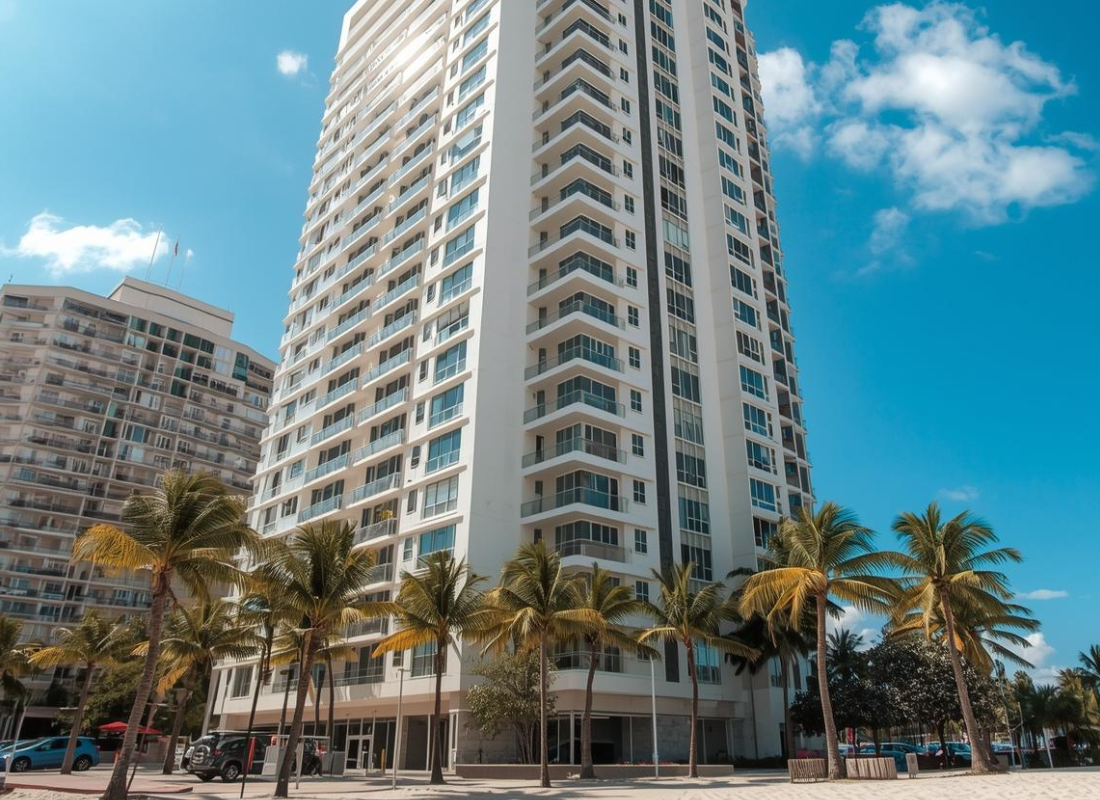
A Florida-based condominium developer paid $11 million for a development site in Midtown Atlanta, adding to its growing presence in the city. The site is located near Piedmont Park, one of Atlanta’s most desirable neighborhoods, and is expected to support a new residential project.
Florida Developer Expands Atlanta Portfolio
The buyer, which has been increasing its activity in the Atlanta market, acquired the Midtown site as part of its expansion strategy. Details on the specific development plans have not been disclosed, but the location suggests a high-end residential project targeting buyers interested in urban living near green space and transit access.
Midtown Atlanta has seen steady demand for new residential development, particularly condominiums and mixed-use projects. The area’s proximity to Piedmont Park, MARTA stations, and major employment centers makes it attractive to both developers and buyers.
For Florida developers expanding into out-of-state markets, understanding local regulations, tax structures, and market dynamics is essential. Atlanta’s real estate market operates under different property tax rules, zoning codes, and permitting processes than Florida, requiring careful planning and coordination with local professionals.
James Moore’s real estate advisory team works with developers managing multi-state portfolios, helping clients assess tax implications, structure deals, and manage compliance requirements across different jurisdictions.
Midtown Atlanta’s Appeal for Residential Development
Midtown Atlanta has become one of the city’s most active residential neighborhoods. The area offers walkability, access to cultural institutions, dining, and proximity to major office buildings and Georgia Tech. Piedmont Park, a 200-acre urban park, adds green space and recreational amenities that appeal to buyers seeking an urban lifestyle with outdoor access.
Demand for urban condominiums increased by 12% in 2024, driven by younger buyers and empty nesters seeking low-maintenance living in central locations. Midtown’s combination of amenities and location aligns with these buyer preferences.
For developers, project success depends on understanding local demand, pricing strategy, and construction costs. Rising labor and material costs over the past few years have made accurate budgeting and cost management critical to maintaining profitability.
Tax and Financial Considerations for Multi-State Real Estate Developers
Florida developers operating in other states need to account for differences in tax treatment, compliance requirements, and reporting obligations. Georgia, for example, has a state income tax, while Florida does not. This affects how developers structure entities, allocate income, and manage tax liability across states.
Other considerations include:
- State-specific property taxes: Georgia’s property tax system differs from Florida’s, with different assessment methods and exemptions.
- Permitting and zoning compliance: Each city has its own rules for land use, building codes, and approval processes.
- Financing structures: Lenders may have different requirements for out-of-state projects, including higher reserves or additional guarantees.
- Tax incentives and credits: Some jurisdictions offer incentives for residential development, particularly in targeted growth areas.
James Moore provides tax planning and consulting services to help real estate clients manage multi-state operations, including entity structuring, tax compliance, and financial reporting across different jurisdictions.
What This Acquisition Signals for Florida Developers
The $11 million acquisition reflects continued interest from Florida developers in expanding beyond their home state. Atlanta’s strong population growth, robust job market, and demand for urban housing make it an attractive investment target. For Florida-based firms, the ability to replicate successful development models in other markets can drive growth and diversification.
However, operating in multiple states introduces complexity. Developers need to manage local partnerships, understand regional market conditions, and ensure compliance with different legal and regulatory frameworks. Firms that approach out-of-state expansion with careful planning and strong advisory support are more likely to succeed.
For now, the Midtown site represents another step in this developer’s Atlanta strategy. As the project moves through design, permitting, and construction, it will add to the inventory of new residential options in one of the city’s most active neighborhoods.
Looking to optimize your real estate investments and tax strategy?
Our advisors help clients structure deals, manage cash flow, and plan confidently for the future.
All content provided in this article is for informational purposes only. Matters discussed in this article are subject to change. For up-to-date information on this subject please contact a James Moore professional. James Moore will not be held responsible for any claim, loss, damage or inconvenience caused as a result of any information within these pages or any information accessed through this site.