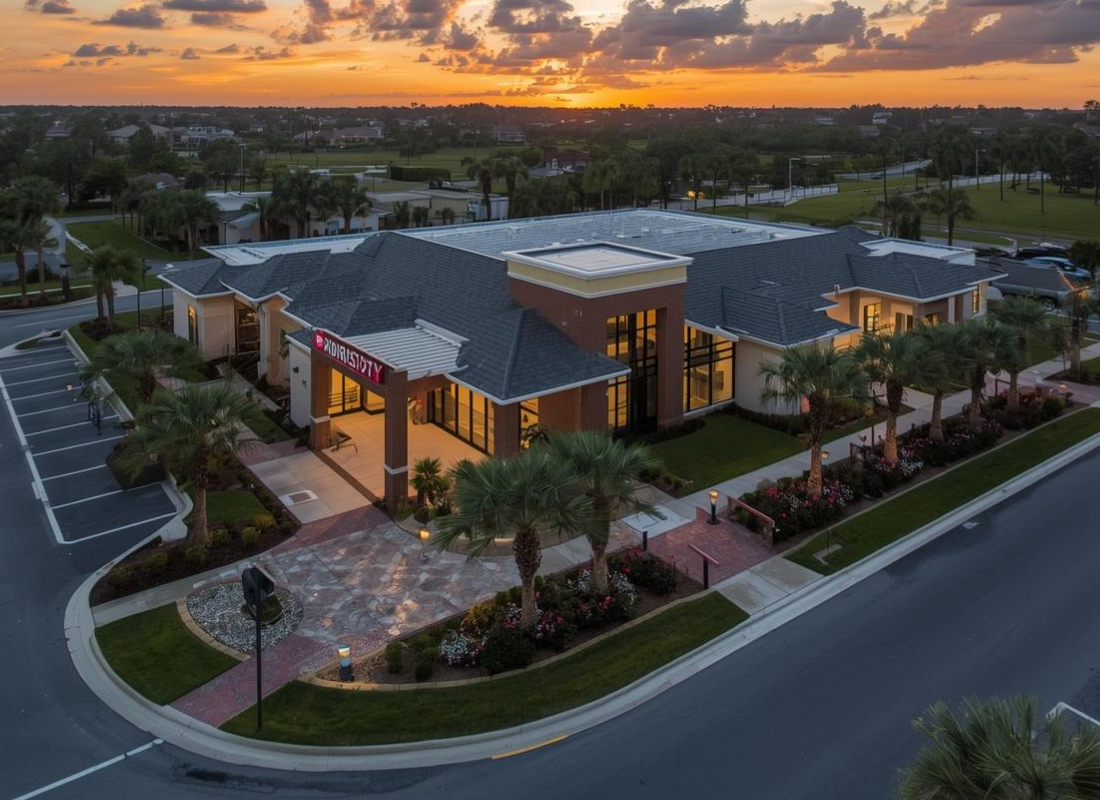
Boca Raton Office Building Eyes Residential Conversion Under Live Local Act
Originally published on January 28, 2026
Florida’s Live Local Act is creating unexpected opportunities for commercial real estate owners, and a recent Boca Raton case perfectly illustrates how office properties can pivot to residential development under this groundbreaking legislation.
Office-to-Residential Conversion Takes Shape in Boca Raton
The redevelopment proposal in Boca Raton represents a growing trend we’re seeing across Florida’s commercial real estate landscape. Property owners are discovering that the Live Local Act opens doors that were previously closed, allowing office buildings to be converted or redeveloped into residential units without the typical zoning hurdles.
This isn’t just about one property, it’s a signal of how the Live Local Act is reshaping investment strategies throughout South Florida. For commercial real estate professionals, this development should serve as a wake-up call to evaluate existing portfolios through a new lens.
What the Live Local Act Means for Property Owners
The Live Local Act essentially allows developers to bypass local zoning restrictions when creating affordable and workforce housing. For office property owners struggling with high vacancy rates or declining rental income, this legislation provides a potential exit strategy or value-add opportunity.
Here’s what makes this particularly attractive: properties that might have been considered underperforming office assets can suddenly become viable residential development opportunities. The Act removes many of the traditional barriers that made office-to-residential conversions cost-prohibitive or impossible.
However, there are specific requirements property owners must meet, including affordability targets and workforce housing components. Understanding these requirements upfront is crucial for any successful conversion strategy.
Financial and Tax Implications for Commercial Property Conversions
When office properties transition to residential use under the Live Local Act, property owners face several important financial considerations that require professional guidance.
First, there are significant tax implications. The change in property use classification can affect everything from property tax assessments to depreciation schedules. Owners may also be eligible for various tax incentives associated with affordable housing development, but these benefits come with long-term compliance requirements.
Cash flow projections need complete overhauls when converting from commercial to residential income streams. The rental structures, tenant profiles, and operational expenses change dramatically. Property owners should also consider the impact on existing financing arrangements, as lenders may require refinancing when property use changes substantially.
Strategic Considerations for CRE Professionals
For commercial real estate professionals, the Boca Raton example highlights several strategic opportunities worth exploring. First, identify office properties in your portfolio or market that might be suitable for residential conversion. Properties with good bones, favorable locations, and challenging office market fundamentals could be prime candidates.
Second, start building relationships with residential developers and affordable housing specialists. These partnerships could be crucial for property owners looking to pursue Live Local Act conversions but lacking residential development expertise.
The timing element is also critical. While the Live Local Act creates opportunities, market conditions and construction costs will significantly impact project feasibility. Properties that make sense for conversion today might not be viable in different market conditions.
Due Diligence Requirements for Live Local Act Projects
Any property owner considering a Live Local Act conversion needs thorough due diligence that goes beyond typical commercial real estate analysis. This includes detailed feasibility studies examining structural requirements for residential conversion, utility capacity assessments, and comprehensive reviews of local implementation guidelines.
Financial modeling becomes more complex when factoring in affordability requirements, potential tax incentives, and long-term compliance costs. Property owners should also evaluate exit strategies carefully, as some Live Local Act benefits come with restrictions on future property transfers or use changes.
The Boca Raton office redevelopment proposal demonstrates that Florida’s Live Local Act is more than legislative theory, it’s creating real opportunities for commercial property owners willing to think creatively about their assets. For CRE professionals, staying informed about these developments and understanding their implications could be the key to unlocking hidden value in challenging office markets.
All content provided in this article is for informational purposes only. Matters discussed in this article are subject to change. For up-to-date information on this subject please contact a James Moore professional. James Moore will not be held responsible for any claim, loss, damage or inconvenience caused as a result of any information within these pages or any information accessed through this site.