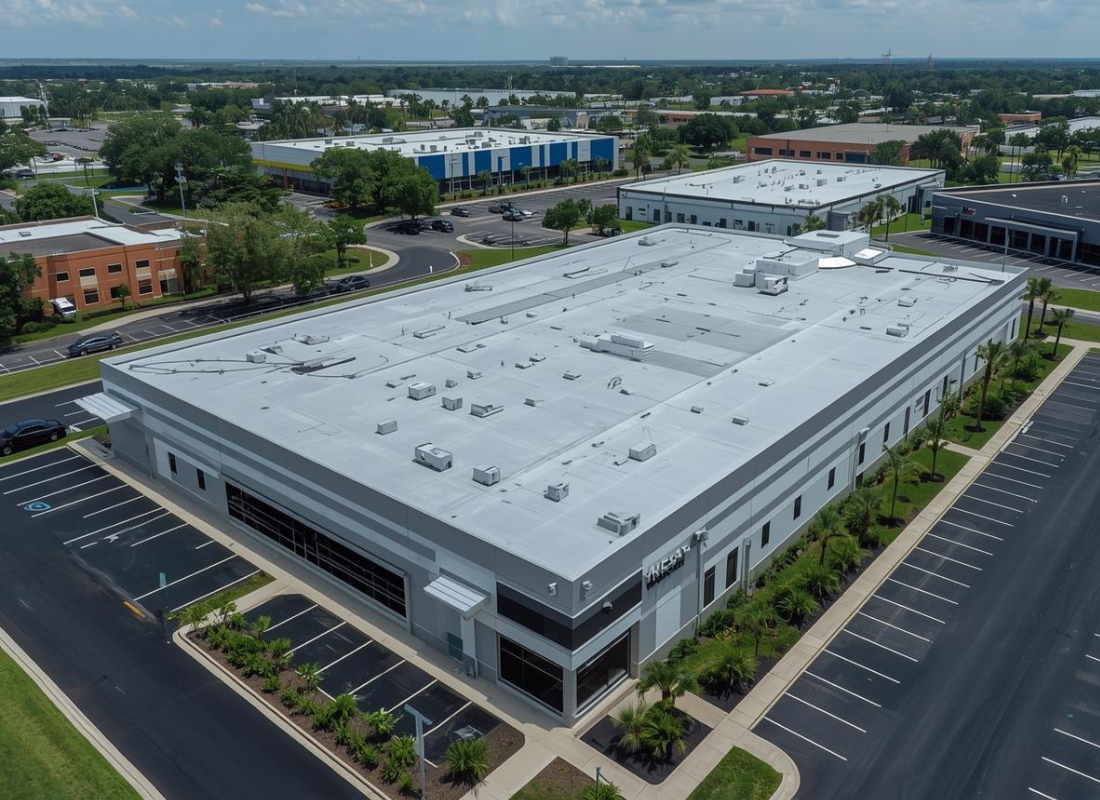
$176 Million Industrial Property Financing Includes Two Florida Warehouse Facilities
Originally published on January 14, 2026
JLL Capital Markets has arranged $176 million in permanent financing for Seagis Property Group to refinance a six-property industrial portfolio spanning New Jersey and Florida. The portfolio includes two warehouse facilities located in Doral, part of Miami-Dade County’s Airport West Submarket, alongside four New Jersey properties in Carlstadt, Lyndhurst, Carteret, and North Brunswick.
The 1.22 million-square-foot portfolio maintains 96% occupancy and features strategically located warehouse facilities in major logistics markets. The financing package consists of an eight-year, fixed-rate loan arranged through Nationwide by JLL’s Debt Advisory team.
Florida Industrial Properties Benefit From Miami Logistics Infrastructure
The two Florida properties in Doral provide tenants access to Miami International Airport, Port Miami, and major highway networks. The Airport West Submarket has experienced sustained demand from logistics operators, e-commerce fulfillment centers, and distributors serving South Florida’s growing consumer market.
According to commercial real estate data, industrial vacancy rates in Miami-Dade County remained below 5 percent through the third quarter of 2025, reflecting strong demand for warehouse and distribution space. The county’s position as a gateway for Latin American trade and its population growth continue to drive logistics real estate absorption.
Industrial properties in the portfolio feature 16- to 25-foot clear ceiling heights and ample loading docks, specifications that accommodate modern warehouse operations, including cross-docking, inventory storage, and order fulfillment activities. These facility characteristics support diverse tenant uses, ranging from traditional distribution to last-mile delivery.
Industrial Real Estate Financing Reflects Stable Logistics Sector Fundamentals
The $176 million financing package represents significant capital market confidence in industrial real estate fundamentals. Lenders evaluate occupancy rates, tenant creditworthiness, lease terms, property locations, and market supply-and-demand dynamics when structuring commercial real estate loans.
Fixed-rate financing provides borrowers with predictable debt service costs over the loan term, helping property owners manage cash flows and financial planning. Eight-year loan terms align with typical commercial real estate investment horizons while offering refinancing opportunities as properties and markets mature.
The U.S. commercial real estate market has experienced mixed conditions during 2025, with industrial properties generally outperforming office and retail sectors. According to the National Association of Real Estate Investment Trusts, industrial property values have remained relatively stable compared to other commercial property types, supported by e-commerce growth and supply chain restructuring.
Manufacturing and Distribution Companies Drive Industrial Space Demand
Manufacturing companies, third-party logistics providers, and distribution operations are primary tenant categories in industrial portfolios such as Seagis’s properties. These businesses require warehouse facilities with specific operational characteristics, including dock configurations, ceiling heights, floor load capacities, and transportation access.
For manufacturers operating distribution centers or finished goods warehouses, facility location affects transportation costs, delivery times, and the efficiency of inventory management. Properties near major transportation infrastructure reduce logistics expenses and improve customer service capabilities.
The Federal Reserve Bank of Atlanta noted in recent economic commentary that logistics real estate demand has remained resilient despite broader economic uncertainty. E-commerce penetration, regionalization of supply chains, and inventory management strategies continue to support warehouse space absorption in major metropolitan markets.
Florida’s Industrial Market Continues to Attract Investment Capital
Florida’s industrial real estate market has attracted significant investment activity in recent years, driven by population growth, expanding e-commerce fulfillment needs, and nearshoring trends that position the state as a distribution gateway for Latin American trade.
Miami-Dade County’s industrial market benefits from its international airport, seaport facilities, and position as a financial and logistics center for hemispheric trade. According to the U.S. Census Bureau, Florida’s population increased 1.6 percent between 2023 and 2024, creating sustained demand for consumer goods distribution and last-mile delivery infrastructure.
Industrial property developers and investors evaluate multiple factors when analyzing Florida markets, including land availability, development costs, labor market conditions, and transportation infrastructure. Properties in established submarkets with proven tenant demand typically command premium valuations and attract institutional capital.
Real Estate Financing Considerations for Manufacturing and Distribution Operations
Manufacturing companies and logistics operators often lease industrial facilities rather than own properties, freeing up capital for core business operations rather than real estate assets. However, some manufacturers pursue property ownership for strategic locations or specialized facilities.
Whether leasing or owning industrial real estate, manufacturers must evaluate facility costs, lease terms, expansion options, and location factors that affect operational efficiency. Real estate decisions interact with supply chain strategies, workforce availability, and customer proximity considerations.
For companies evaluating industrial real estate decisions, understanding total occupancy costs, tax implications, and long-term facility requirements helps inform lease-versus-own analyses. Our advisors help manufacturers assess real estate strategies, evaluate lease commitments, and structure property transactions that support business objectives while managing financial risks.
Together, we help manufacturing leaders do Moore. Explore how our accounting, assurance, and advisory services support the financial strength of manufacturers at our Manufacturing Services page.
All content provided in this article is for informational purposes only. Matters discussed in this article are subject to change. For up-to-date information on this subject please contact a James Moore professional. James Moore will not be held responsible for any claim, loss, damage or inconvenience caused as a result of any information within these pages or any information accessed through this site.