Real Estate Fund Structuring Mistakes That Erode Investor Trust
Originally published on March 3, 2026
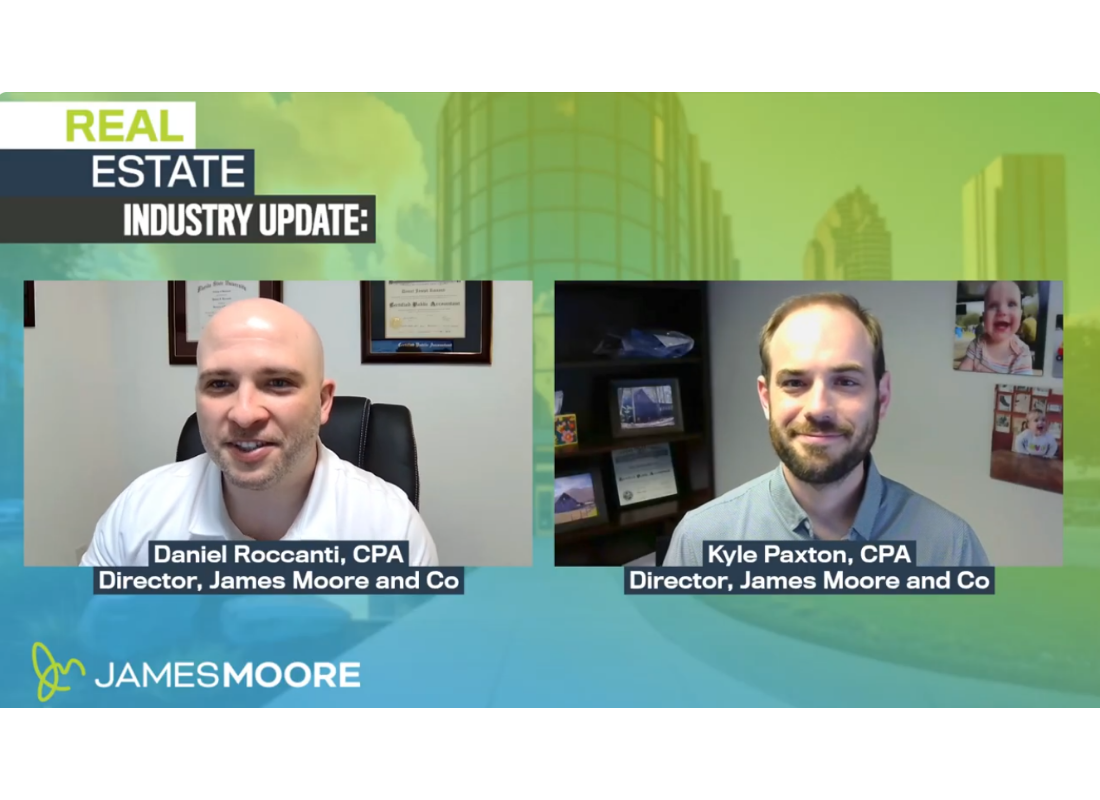
Two sponsors can close the exact same deal, yet one runs smoothly while the other turns into a mess of delays and disputes. The difference almost always comes down to how the fund is structured. In a recent episode of Real Estate Industry Update, Daniel Roccanti and Kyle Paxton broke down the most common real estate fund structuring mistakes that damage investor relationships and create economic disputes. Their conversation highlighted how small oversights in waterfall design, tax allocation planning and operating agreement language can create major problems down the road.
Why Fund Structuring Starts with Investor Trust
Before diving into the mechanics, Kyle made an important point about the foundation of every fund. “All we’re talking about today is building investor trust in the fund,” he said. Many limited partners contributing significant capital may not have prior experience with real estate investments. How these deals are structured and communicated directly affects whether sponsors can attract repeat capital and raise funds for future deals.
Real estate is inherently a cash game. Cash flows drive the success of the investment from start to finish. While cash flow provisions don’t typically cause the biggest problems in operating agreements, sponsors need real clarity around how these things are calculated and defined, especially when it comes to preferred returns.
Compounding vs. Non-Compounding Preferred Returns
Preferred returns are a major component of most real estate funds, but an “8% preferred return” can mean five different things depending on the base it’s calculated on and when payments are made. Daniel walked through a clear example: an investor puts in $100,000 with an 8% preferred return and no payout until a sale in three years.
With non-compounding preferred returns, that’s $8,000 per year for a total of $24,000. With compounding, unpaid preferred amounts get added to the base each year, pushing the total to roughly $26,000. That $2,000 gap might sound small, but it scales quickly with larger investments and multiple partners. If the operating agreement doesn’t specify the method, you’re setting up an expectation mismatch that leads directly to disputes.
How Refinancing Events Create Confusion
Refinancing is another area where Daniel and Kyle see significant misalignment. When a refi generates a payout, most investors expect a check. But what does the operating agreement actually say about how that cash is treated?
Daniel illustrated with an example: an investor contributes $1 million and receives a $300,000 payout from a refinance. Does the operating agreement treat that as a return of capital, reducing the investor’s preferred return base to $700,000, or as distributable cash that could satisfy preferred returns faster or even trigger a promote tier? The downstream effects are significant and the answer has to be spelled out clearly in the agreement.
IRR Hurdles and Catch-up Provisions
Many waterfall structures include hurdle rates tied to the internal rate of return. But as Daniel pointed out, “IRR is a math term that gets thrown around like a marketing term.” Sponsors need to define the exact methodology for how IRR is calculated and whether hurdles are measured at the individual asset level or across the full portfolio.
Catch-up provisions are equally critical. Kyle described them as a lever: “If you don’t define exactly when it turns on and off, you’ll either overpay the sponsor or never pay them at all.” Clawback provisions also deserve clear language around when and how GP distributions get trued up, so expectations between LPs and the GP stay aligned throughout the fund’s life.
Tax Allocations: The Mismatch That Blindsides Investors
Tax allocations are where Kyle sees the most frequent issues. The core concept is straightforward: in partnership-structured funds, tax allocations have to follow the economics. But the waterfall decides who gets cash while allocations decide who gets taxable income, and they don’t always match.
As Daniel explained, “The beauty of the deal is they start the same and they end the same. The middle gets crazy.” Depreciation drives large taxable losses early in the fund’s life, especially with cost segregation studies and bonus depreciation. Investors love year-one deductions. But that depreciation recaptures at exit, creating significant taxable income that may exceed the cash distribution.
Kyle emphasized the sponsor’s responsibility here. “I think the fund sponsors have a duty to their investors to really educate them on this process.” He also raised one of the worst scenarios: if a property gets foreclosed, investors who previously took depreciation-driven losses could face a taxable recapture event with zero cash to show for it. “Not only are you not getting your money back, but you have taxable income on the back end you weren’t expecting,” Kyle said. “Those are unhappy customers.”
Operating Agreement Clarity Prevents Disputes
Daniel was blunt about why most fund disputes happen: “Most fights are actually not about someone being unethical. It’s actually about the agreement being unclear.” Common red flags include contradictions between the waterfall section and the liquidation section, exhibit language that conflicts with the body text and capital call provisions that are either too weak or too extreme.
The litmus test? “If two smart people read it and disagree, then the agreement is defective.” Beyond cash flow and tax provisions, operating agreements also need clarity around governance structures, related party disclosures, the designated partnership representative and how amended returns or audit adjustments get handled under the current partnership audit regime.
Build Your Fund on Clarity and Transparency
Daniel and Kyle both agreed that the best fund structures can be explained in plain English and reproduced in a spreadsheet with no hidden assumptions. Every stakeholder, CPAs, attorneys and investors, should read the operating agreement and interpret it the same way. Getting it right on the front end protects returns, strengthens investor relationships and makes the fund run quieter. To watch the full discussion, check out the Real Estate Industry Update on the James Moore YouTube channel.
All content provided in this article is for informational purposes only. Matters discussed in this article are subject to change. For up-to-date information on this subject please contact a James Moore professional. James Moore will not be held responsible for any claim, loss, damage or inconvenience caused as a result of any information within these pages or any information accessed through this site.